Protecting Your Identity While Using Online Dating Platforms
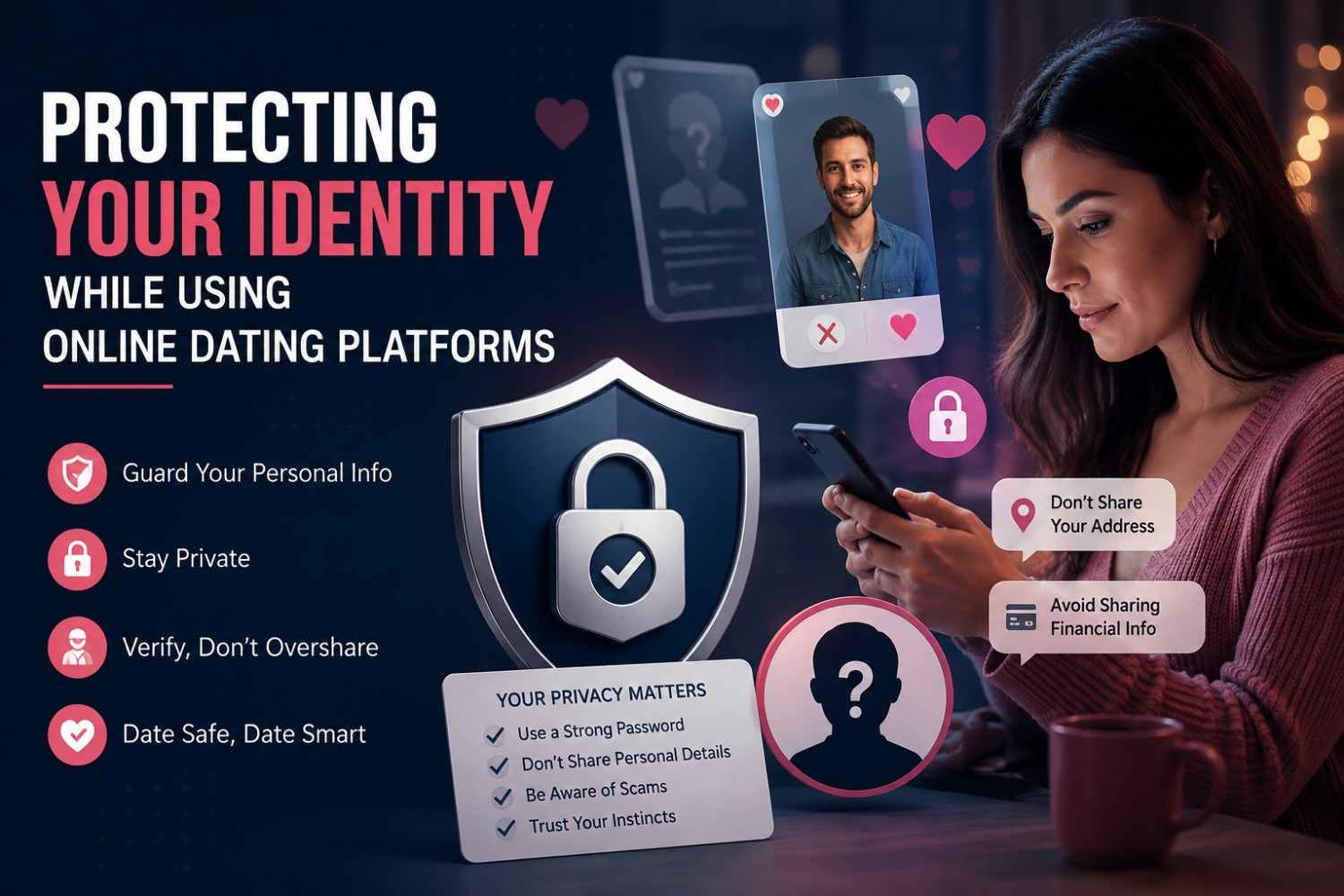
Quick Answer: Online dating privacy involves safeguarding your email, area, and personal data prior to the first date. Dating sites have access to sensitive information, are hacked regularly, and pass the data to advertising partners. Use a disposable email at signup to protect your identity. Limit profile visibility and audit app permissions. These steps reduce exposure on dating apps.
Dating apps hold highly sensitive personal data. This includes photos, location, relationship preferences, and conversation content. Breaches or advertiser sharing can cause more than inbox spam. Online dating privacy is a core safety requirement.
Data breach tracking organizations have documented a steady rise in security incidents affecting dating platforms in recent years. These breaches typically expose private email addresses, private messages, and location data — information far more sensitive than what leaks from a typical retail account breach.
Main Points
- Online dating privacy starts at registration; the email submitted at signup determines baseline exposure for the entire account.
- Dating app security depends on what is shared, with whom, and under which default permissions.
- Identity protection online on dating platforms requires managing email, location, photo metadata, and third-party connections actively.
- Anonymous dating tips focus on separating dating activity from primary digital identity across email, phone, and social media.
Why Dating Platforms Are High-Risk for Personal Data
Dating apps request more sensitive information than most other platforms and store it in concentrated, high-value databases that are frequent breach targets. Location data is collected continuously on most apps to power matching algorithms.
This data reveals home neighbourhoods, workplaces, and daily movement patterns. Email addresses are used for verification, marketing, and cross-platform identity linking.
Profile photos are biometrically indexed by some platforms and can be reverse-searched to locate the same person on other platforms. Sign-up and matching information may be shared with advertising partners on dating websites. This is not unique to dating apps — our breakdown of how companies quietly resell your email data covers the same pattern across most sites that ask for an email address at signup.
A profile can provide information about marital status, age, location, and romantic preferences. This data has commercial value beyond dating. Companies may sell it to lifestyle advertisers, insurers, and marketing platforms.
Anonymous Dating Tips: Protecting Identity at Registration
The registration email is the first and most consequential privacy decision on any dating platform. A real email submitted to a dating app can enter its marketing database immediately. The platform may use it for match notifications and promotional offers. It may also support re-engagement campaigns.
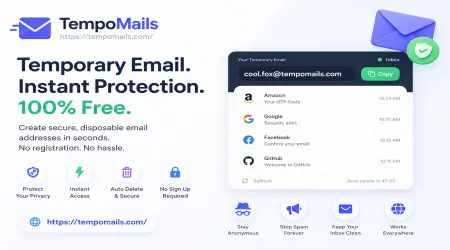
More significantly, it is the data point that links the dating profile to all other accounts using the same email, enabling cross-platform identity tracing if the address appears in a breach. Using Tempomail to create a free disposable email address for initial signup removes this link. The same protection is available on the go through the Tempomail Android app, so an address can be generated before signing up directly from a phone.
The platform receives a working verification address. The account is created, and the verification completes. When the session ends, the Tempomail address expires. Every subsequent email from the platform goes undelivered to an address that no longer exists.
For accounts intended for long-term use, update the registered email to a dedicated permanent address created specifically for dating platform use and not linked to any other account before closing the Tempomail session.
This preserves notification and recovery access while keeping the primary email identity completely separate from the dating platform.
Dating App Security: Profile and Permission Audits
Location Settings
Disable precise location sharing in both the app settings and the device's system permissions. Most dating apps function with approximate location enabled; the exact GPS coordinate level of precision is unnecessary for matching purposes and creates a specific physical safety risk if the account is accessed by a malicious user.
Photo Metadata
Smartphone photos contain embedded GPS coordinates. Strip this metadata before uploading any image to a dating profile. Free metadata removal tools are available on all major devices.
Social Media Connections
Most dating apps let users connect Facebook, Instagram, or Spotify accounts. These connections can add profile information and mutual friends. They may also add behavioural data to the dating profile.
Avoid making these connections; they significantly expand the data available to the platform and reduce the separation between dating identity and primary social media identity. The same separation principle carries over to creating a disposable email for social platform signups, and it pairs well with adjusting social media privacy settings on the accounts already in use.
Third-Party App Access
Review which apps have OAuth access to the dating account. Revoke access from anything no longer in active use. Each connected app is an independent access point to account data, separate from device-level tracking like browser fingerprinting, which creates its own tracking channel outside of app permissions altogether.
Identity Protection Online: What to Share and What to Withhold
Data Type | Share on Profile? | Risk Level |
First name only | Yes | Low |
Full name | No | High |
Workplace | No | High |
Neighbourhood | No | High |
Phone number | No | High |
Social media handles | No | High |
General city | Yes | Low |
Photo without metadata | Yes | Low |
Real email at signup | No | High |
Online Dating Privacy: Ongoing Practices
Move Slowly Before Sharing Contact Details
Dating platform messaging systems provide a buffer between connection and real contact. Keep communication within the app until meaningful trust develops. Sharing a phone number or personal email too early removes the platform's intermediary layer. It also exposes primary contact details to an unverified person.
Reverse Search Your Own Profile Photos
Use a reverse photo search like Google Images to find out who has posted your photos. Look around to see if those photos are on other sites using your actual name. A match could trace your identity through the image alone. Use photos that are exclusive to the dating profile or not indexed elsewhere.
Review Platform Privacy Policies Annually
Dating platforms regularly update privacy policies and data-sharing arrangements. A policy that seemed acceptable at signup may later permit broader data sharing. Annual reviews catch changes that affect the data collected during active use. These reviews matter most for EU users, whose data minimisation rights under GDPR give them a stronger practical basis for choosing privacy-first signup methods from the start.
Independent research on online dating experiences has consistently found that a majority of users encounter some form of unwanted contact, harassment, or profile misuse on these platforms, making privacy-conscious settings a practical necessity rather than an optional precaution.
Conclusion
Online dating privacy is a layered practice that starts at registration and continues throughout every interaction on the platform. A disposable email at signup removes the primary identity link. Location precision restrictions and photo metadata removal reduce physical risk.
Keeping social connections separate maintains the boundary between dating identity and primary digital identity. Together, these steps allow full use of dating platforms without the data exposure that default settings and real email submission create. Start the next dating profile by taking a minute to grab a free disposable email address before handing over anything else.
Author Expertise
This article is written by Naomi Reyes, a digital privacy writer with over seven years covering platform-specific privacy risks, email identity protection, and safe signup strategies across dating, social, and consumer platforms. Content is reviewed against current platform privacy practices and updated regularly. Editorial disclosure: Tempomail is a temporary email service; this article discusses how its use relates to dating platform privacy, and readers should evaluate their own risk tolerance for their specific situation. Last Reviewed: September 3, 2026.
(FAQs)
Should I use my real name on a dating profile?
Use a first name only. A full name combined with photos and location data is enough for a determined person to locate a real-world identity through basic web searching.
Can dating apps sell my data to third parties?
Most platforms permit third-party data sharing under their privacy policies. The information contained in an email address, location history, and demographics may be of commercial value. This information may be used for advertising and data broker purposes.
Does using Tempomail affect how the dating app functions?
During the active session, no. After the session ends, notifications and recovery emails go to an expired address. Update to a dedicated permanent email before closing Tempomail if ongoing notifications matter. It only takes a moment to generate a temporary inbox and confirm this for yourself.
What is the safest way to share photos on dating apps?
Use photos that are not openly listed under a genuine name on any other network, and get rid of the GPS data from all photos prior to uploading. Free metadata removal tools are available on all major operating systems.
Is Tinder or Bumble safer for identity protection?
Both collect significant data by default. The platform itself is less important than the privacy settings used; how users choose to use the email, location settings, and social connection settings affect exposure level.
How do I know if my dating profile data has been breached?
Check the email used at signup on HaveIBeenPwned.com. For accounts created with Tempomail, the expired address appears in no contactable breach record.
Can I use a first name only on a dating app?
Yes. Most platforms accept display names rather than legal names. Using a first name only is standard practice and carries no legal risk on any major platform.
Does a VPN add protection on dating apps?
A VPN masks the IP address but does not protect the email or profile data submitted. Pairing a VPN with a disposable email address and careful profile management covers more of the total exposure surface.